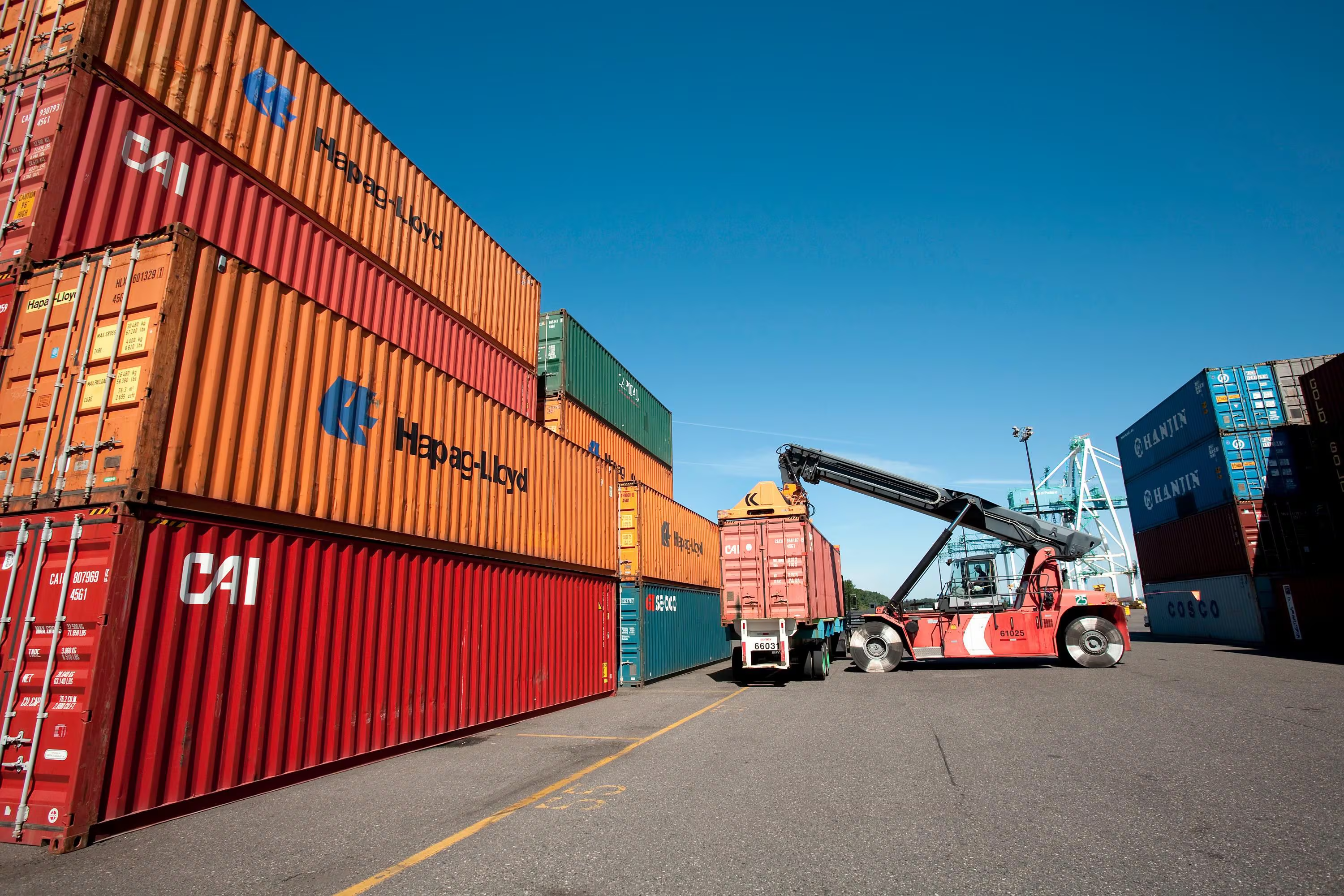
Gap lost control of the same merchandise twice. First it was not present when customers wanted it, and shoppers walked away disappointed. Then it arrived after demand had moved on, forcing impairments, markdowns and a frantic cleanup that fell, as it so often does, on the people furthest from the decisions that caused it.
GAP PUT A $300 MILLION PRICE ON EMPTY SHELVES
Gap told investors that constrained inventory stripped eight percentage points from third-quarter sales. Old Navy was hit particularly hard in women's merchandise, and the company spent roughly $100 million on air freight trying to close the distance.
The response revealed the pressure management felt to accelerate goods already ordered. Gap was paying extraordinary sums simply to make merchandise appear where its forecasts said it should be — money spent chasing a deadline that, months later, would not have mattered at all.
THEN THE SHORTAGE BECAME A STOCKPILE
Apparel orders are placed months before customers see them. When delay collides with changing demand, the same purchase order can produce an empty shelf in one quarter and unwanted stock in the next — a whiplash that someone, somewhere, has to physically manage.
Port congestion explains lateness. It does not choose the assortment, the quantity or the size mix. Those decisions belonged to Gap, and the consequences of those decisions belonged to whoever was left holding the goods.
Gap first lost the sale because the product was late. Then it lost margin because the product finally arrived — and somewhere in between, a warehouse full of people had to absorb the shock of both.
THE PRODUCT TRAIL DID NOT DISAPPEAR
Every delayed purchase order, cancelled unit, distribution-center movement and clearance channel left a record. Those records matter because later disputes concern where unwanted product landed and what business partner absorbed it — not as an abstraction, but as boxes that had to be moved by hand.
The ports explain disruption. They do not erase responsibility for what Gap ordered or where the excess went, and they do not erase the toll it took on the people at the far end of the supply chain who never made a single purchasing decision.